
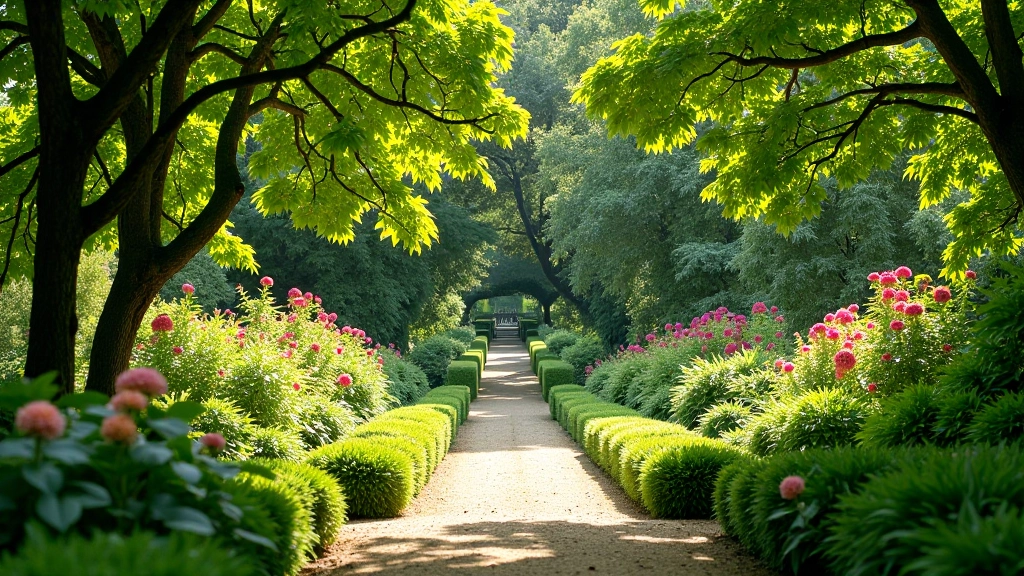
Portugal’s Best Botanical Gardens for Leisurely Afternoons
Botanical gardens offer the perfect pace for weekend relaxation. We’ve reviewed the most accessible gardens designed for adults who want to walk at their own speed without crowds.
Read MoreDiscover medieval towns, forgotten monasteries, and centuries-old stories through guided walks that reveal what most visitors miss
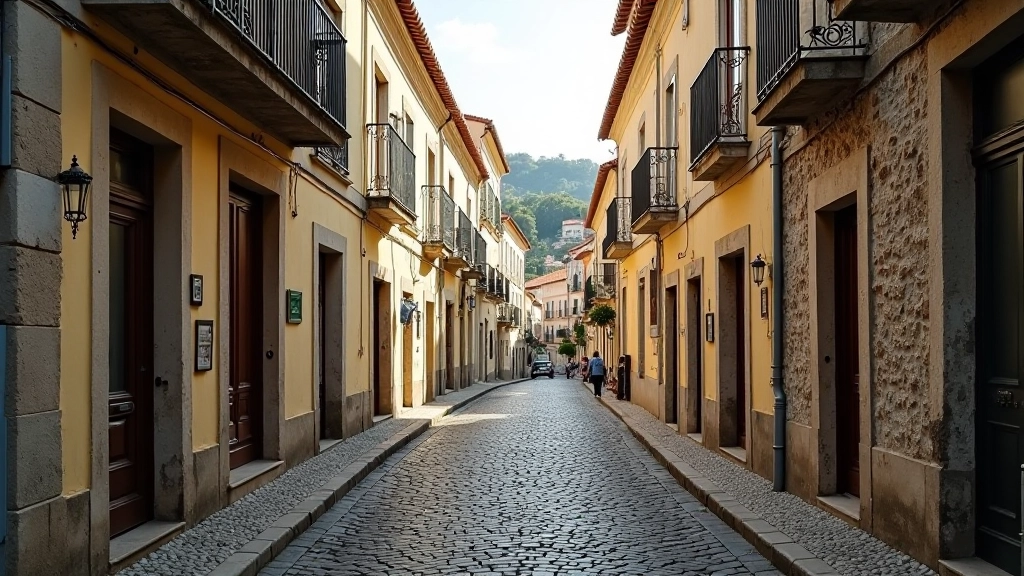
You’ll notice something different about walking through Portugal’s old towns at your own pace. There’s no rushing between monuments. Instead, you’re actually in the streets where merchants traded 600 years ago, where nobles walked to church, where revolutions sparked and changed everything.
Guided walking tours aren’t just about hitting the famous spots. They’re about understanding the layers — why that church faces east, what those stone markings mean, how the city defended itself when armies approached. A good guide knows the quiet details that bring the whole picture together.
For people in their 40s and 50s, these walks hit the right balance. You’re moving at a reasonable pace, there’s plenty of time to absorb information, and you can actually have conversations with other travelers instead of being herded through crowds.
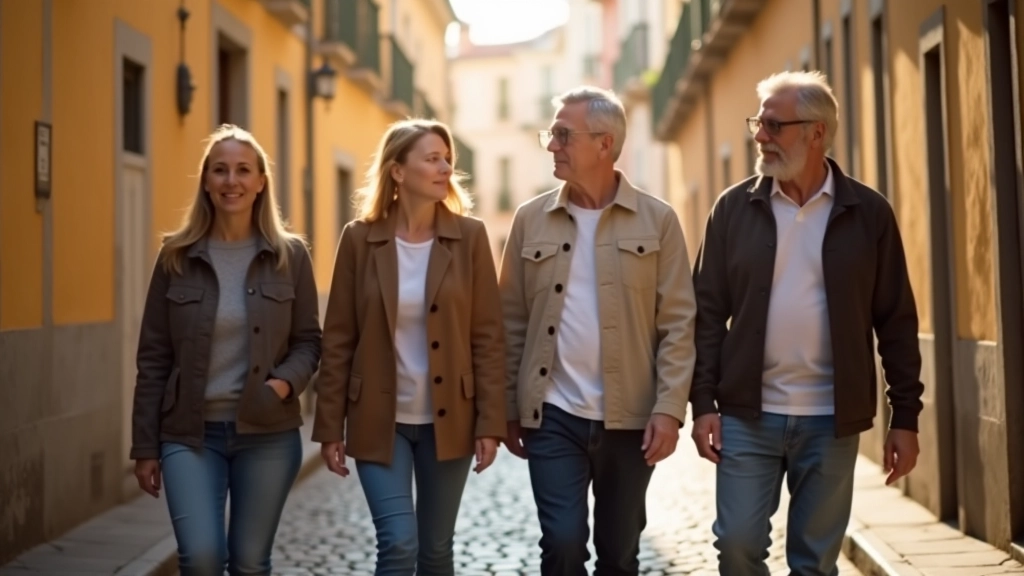
Évora’s old town is where you’ll see layers of history stacked right on top of each other. You’ve got Roman temples sitting next to medieval walls, Renaissance churches sharing streets with Jewish quarter remnants. The walking tour covers about 2 kilometers through the center, usually takes 2-2.5 hours, and you’re constantly stopping to understand how different periods shaped the same place.
What makes it work is the pacing. You’re not racing to see everything. Instead, guides typically focus on 8-10 major sites, spending real time at each one. You’ll learn about the Jewish community that thrived here until the 1500s, see the baroque details that later additions brought, understand why certain streets curve the way they do.
Sintra’s walking routes are different — they’re more about the grand estates and romantic architecture than city history. But the stories are equally rich. You’re walking through neighborhoods where Portuguese royalty once lived, seeing the villas and gardens that inspired artists and writers for centuries.
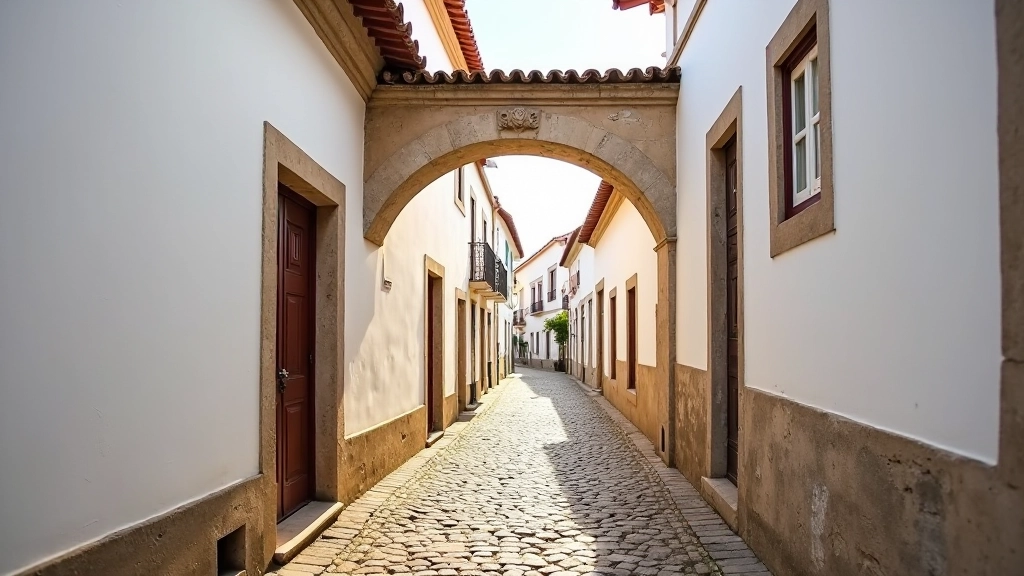

You’ll want someone who knows the history but doesn’t just recite dates. The best guides are the ones who’ve lived in these towns or studied them seriously — they answer questions that come up naturally rather than following a rigid script. They’ll mention the local pastry shop that’s been family-run since 1947, or explain why that particular building’s facade looks unfinished (spoiler: it was taxed by size, so families stopped building upward).
Look for tours that limit group size to around 12-15 people maximum. Anything bigger and you’re basically standing on the edge of a crowd trying to hear someone’s voice. Smaller groups also mean you can actually ask questions without holding up 40 other people.
English-speaking tours are widely available in major towns like Lisbon, Porto, Covilhã, and Braga. Many guides speak 3-4 languages fluently, which tells you they’re serious about making this work for different visitors. Don’t assume the cheapest tour is the worst — sometimes it’s just a younger guide building their reputation.
Here’s what actually shows up on the best walking tours across Portugal’s historical towns
Most old towns have remnants of defensive walls. What’s interesting isn’t just that they’re old — it’s understanding where enemies attacked, how residents escaped, which areas were wealthy enough to rebuild after fires. Covilhã’s walls show clear repairs from different centuries stacked right next to each other.
The narrow streets in these neighborhoods weren’t random — they were designed for defense and community. You’ll see where synagogues stood (sometimes replaced by churches, sometimes converted entirely). Guides explain how entire communities were displaced or integrated depending on which period and which king was in charge.
Walking past 3-4 churches in the same town shows you how styles changed. Gothic becomes more ornate, then baroque adds even more detail, then neoclassical strips things back down. Same function, completely different expressions of faith and power over 400 years.
Most tourists never find these. A guide will show you where residents actually gathered, where water came from, how public and private spaces were separated. These spaces tell you how daily life actually worked — not the grand version in history books.
Look closely at buildings and you’ll see marks carved into stones — family symbols, mason signatures, dates, religious symbols. A good guide explains what these meant and who put them there. It’s like reading graffiti from 500 years ago.
Portugal’s major earthquakes reshaped cities. You’ll see where rebuilds happened — different stone types, different architectural styles patched into existing buildings. The 1755 Lisbon earthquake changed everything about how cities were rebuilt afterward.
Wear shoes you’ve already broken in. These aren’t flat walks — most old towns have cobblestones, uneven surfaces, and occasional steep sections. You’re comfortable in those shoes, so bring them. Don’t try new hiking boots on tour day.
Bring water and a light layer. Even in warm months, you might spend 2-3 hours outside, and medieval streets often run between tall buildings that block sun. You’ll warm up walking, then cool down when you stop. A cardigan or light jacket is smarter than a heavy coat.
Morning tours (usually 9 or 10 AM starts) are better than afternoon ones. You get better light for photos, fewer crowds, and you’re fresher when the guide is explaining details. Plus you’ll have the afternoon free if you want to revisit a site on your own or grab lunch somewhere a local recommended.
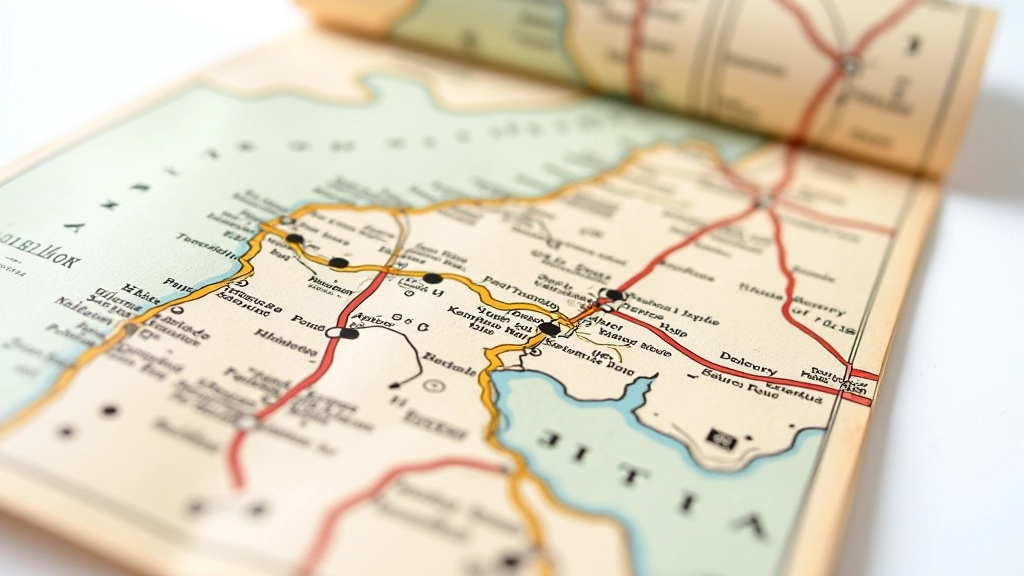
Book through the town’s tourism office rather than random websites. You’ll get vetted guides, consistent quality, and if something goes wrong, there’s someone local you can actually contact. Prices are usually 12-18 per person for 2-hour tours in most towns.
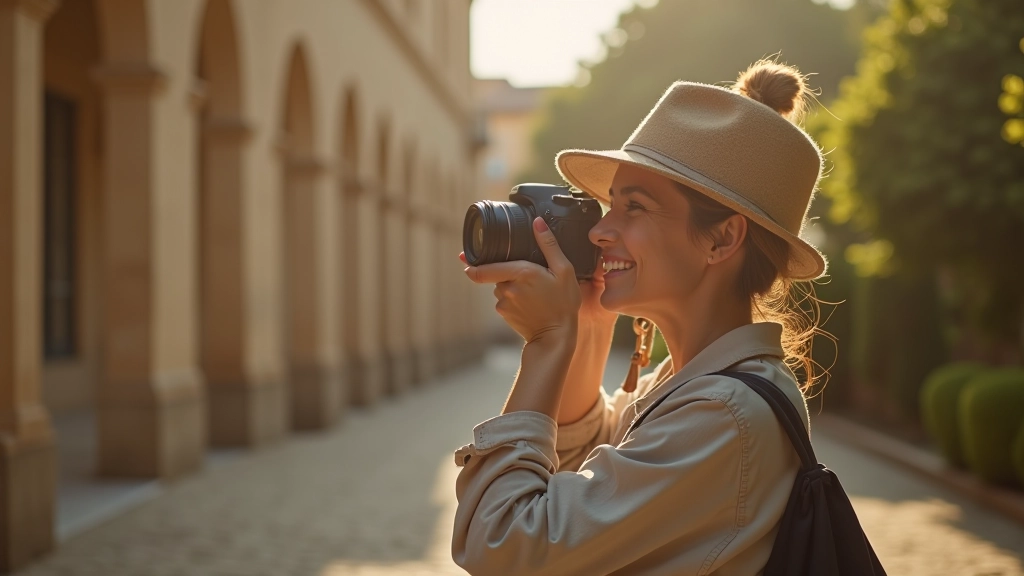
The best shots happen when you’re actually paying attention to what the guide is explaining
Don’t get so focused on capturing photos that you miss the actual experience. The best approach? Listen to the guide for 5-10 minutes, understand what you’re looking at, then take your photo. You’ll get better shots because you know what’s interesting about the place. You’ll also actually remember what you saw instead of just having photos of buildings.
Stone details photograph surprisingly well with a smartphone. Window frames, door knockers, carved family symbols, weathered textures — these close-ups often tell better stories than wide shots of whole buildings. Get low or high for different angles. Stand on a step or crouch down to change perspective.
Golden hour (first hour after sunrise, last 2 hours before sunset) is genuinely worth planning around if you’re serious about photos. That warm light makes old stone look incredible. But honestly, most walking tour times don’t align with golden hour. Just shoot what you have and focus on being present.
“What I didn’t expect was how much the guide made it click. We’d walked past these buildings a hundred times on vacation without really seeing them. Once someone explains why that archway is shaped that way, or what that stone carving meant, the whole town suddenly makes sense. It’s like the buildings start talking.”
— Margaret, 52, walked Covilhã tour
The next time you’re planning a trip to Portugal, set aside at least one morning for a walking tour in whichever town appeals to you. Skip the big group tours if you can — the smaller, local guides genuinely care about showing you something meaningful, not just hitting checkboxes.
Start with a place you’ve been before if possible. You’ll notice completely different things when someone who actually knows the place explains it. If you’re visiting somewhere new, try Évora or Covilhã — they’ve got enough history compressed into the center that 2-3 hours feels substantial without being exhausting.
And honestly? Walking tours work best when you go slow. You’re not trying to see everything. You’re trying to understand something. That’s the whole point.
Back to Portugal Leisure Activities

This article provides educational information about walking tours and historical sites in Portugal. It’s designed to help you understand what to expect and how to prepare. Individual experiences vary based on season, weather, guide availability, and local conditions. We recommend checking with local tourism offices for current tour schedules, pricing, and group sizes before booking. This content reflects information current as of March 2026 and may change.