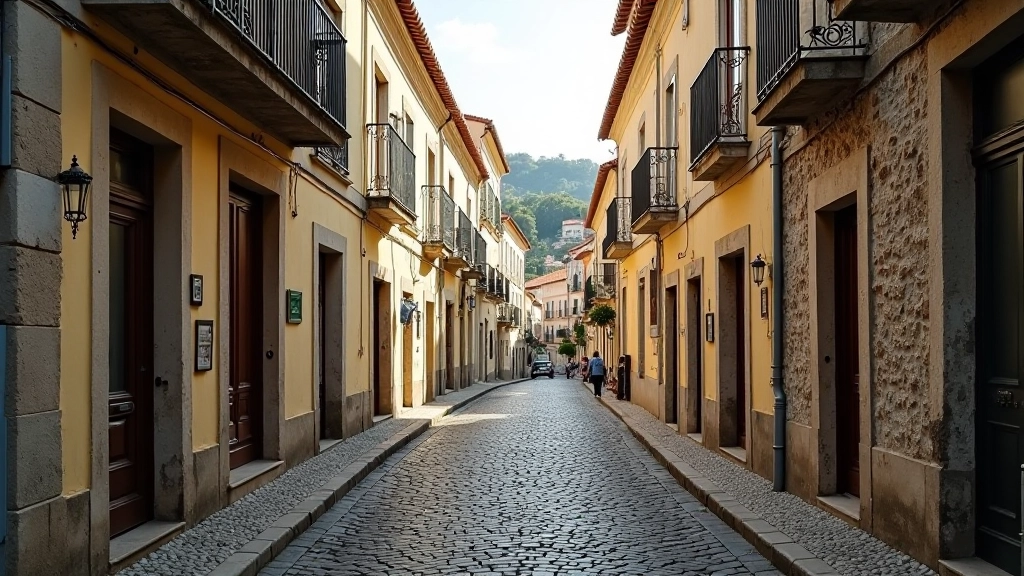
Walking Tours That Showcase Portugal’s Hidden History
Learn what makes guided walking tours the best way to discover Portugal’s medieval streets and authentic local culture.
Read ArticleYou don’t need expensive gear to photograph Portugal’s landscapes. We’ve put together practical advice for capturing beautiful moments during guided nature excursions.
Portugal’s landscapes are stunning. From the dramatic cliffs of the Algarve to the rolling vineyards of the Douro Valley, there’s no shortage of beautiful scenes to capture. The thing is, you don’t need a fancy camera or years of experience to take great photos.
Most beginners think they’re missing out because they don’t have professional equipment. But honestly? The best camera is the one you have with you. We’ve guided hundreds of people through nature excursions, and we’ve seen incredible shots taken on basic smartphone cameras alongside expensive DSLRs. What matters more is understanding light, composition, and patience.
This guide shares practical tips we’ve learned from running photography excursions across Portugal. You’ll discover how to see like a photographer, what gear actually makes a difference, and how to get shots that’ll genuinely impress your friends.
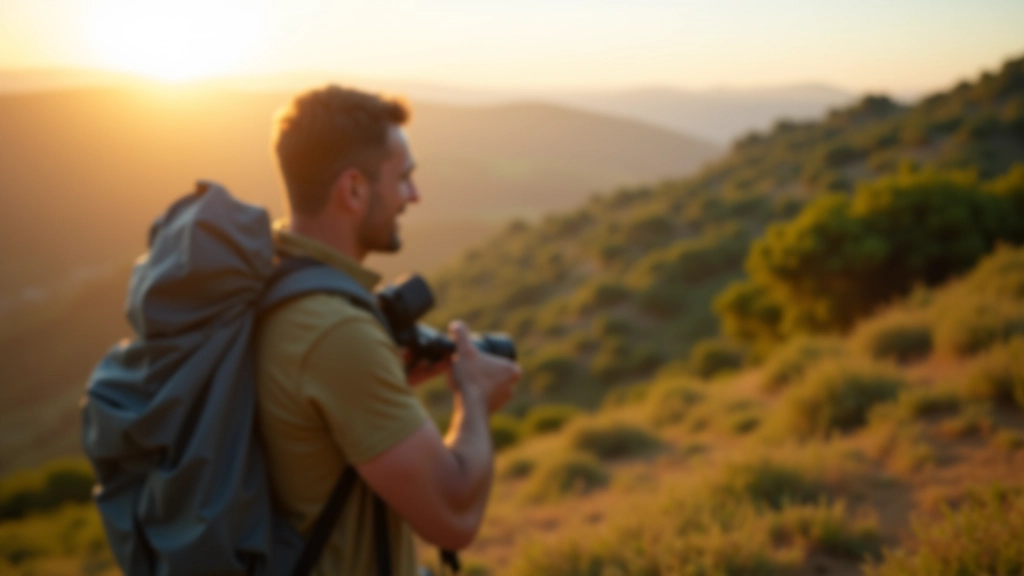
Before you worry about shutter speed or aperture settings, focus on three fundamentals. They’ll transform your photos more than any camera upgrade ever will.
The golden hour — that’s roughly the first hour after sunrise or the last hour before sunset — changes everything. Light becomes warm, soft, and directional. Shadows gain depth. Colors get richer. We always schedule excursions during these windows because even ordinary scenes look extraordinary in golden light.
Position yourself so light comes from the side or behind your subject. Front lighting flattens scenes. Side and backlighting add dimension and drama.
Imagine dividing your frame into a 3×3 grid. Place interesting elements along those lines or at intersections, not dead center. Your eye finds these compositions more satisfying. Most phone cameras have a grid overlay you can enable in settings — use it until this becomes instinctive.
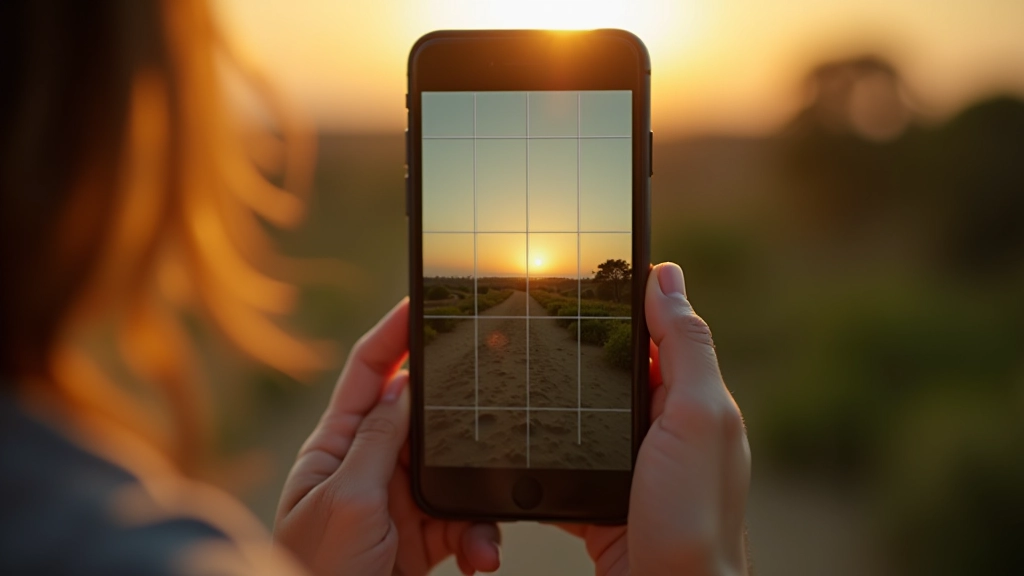
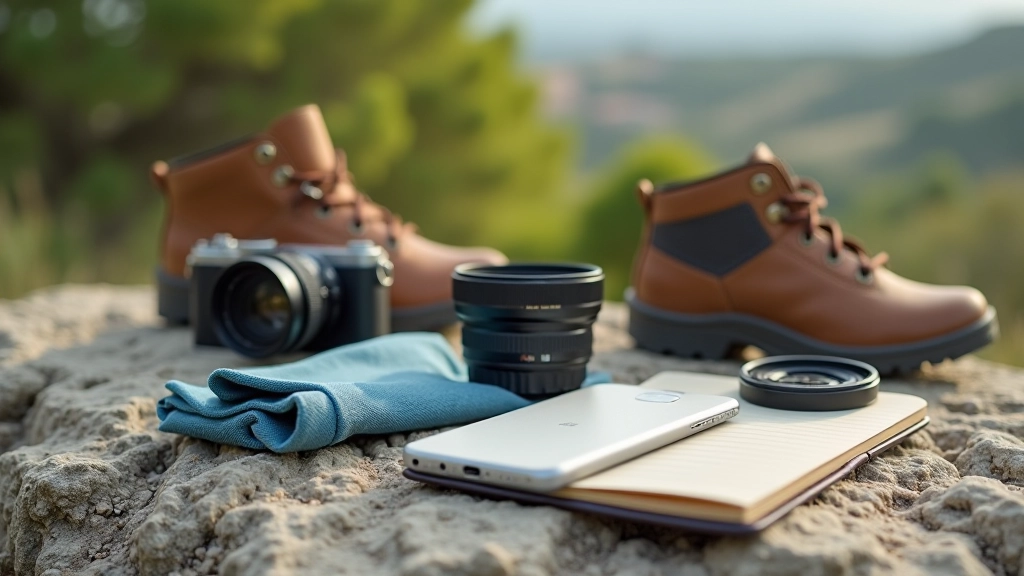
Here’s what we tell everyone: your smartphone is probably good enough. Modern phones have excellent cameras. They’re portable. You’ll actually have them with you.
If you’re considering upgrading, these three things make a real difference:
Skip the expensive telephoto lens for now. Wide and standard focal lengths (28-50mm equivalent) cover 90% of landscape scenarios. Upgrade later once you’ve developed your eye.
Portugal offers incredible variety. You don’t need to travel hours to find compelling subjects.
Dramatic orange cliffs against turquoise water. Best shot in early morning before crowds arrive. The rock formations create natural frames for your compositions.
Layered hills covered in vineyards create stunning depth. Visit during harvest season (September-October) when golden light hits the terraces perfectly.
Eucalyptus and pine forests offer moody, atmospheric opportunities. Dappled light through canopy creates natural patterns. Best midday when contrast is strongest.
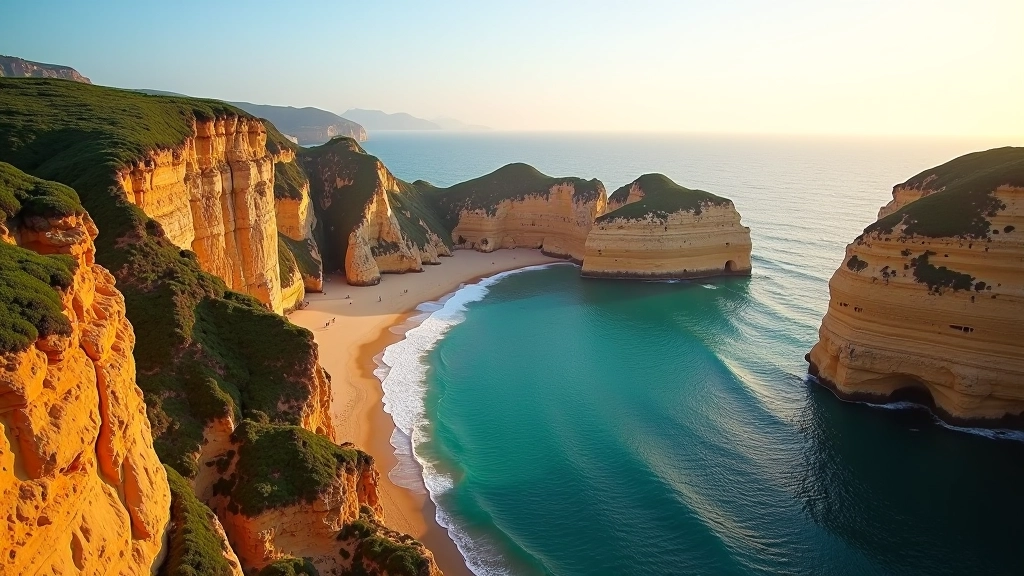
Golden hour is short. Plan to be in position 15 minutes before sunrise or sunset. You’ll have better light and fewer tourists competing for angles.
Walk around without your camera first. Find interesting angles. Notice where light falls. Then go back and compose thoughtfully instead of randomly snapping.
Portugal’s sun is intense. Salt spray near coasts damages equipment. Bring a simple protective case and lens cloth. Keep your camera away from sand.
After each excursion, review your shots on a larger screen. What worked? What didn’t? This reflection builds skill faster than taking more photos.
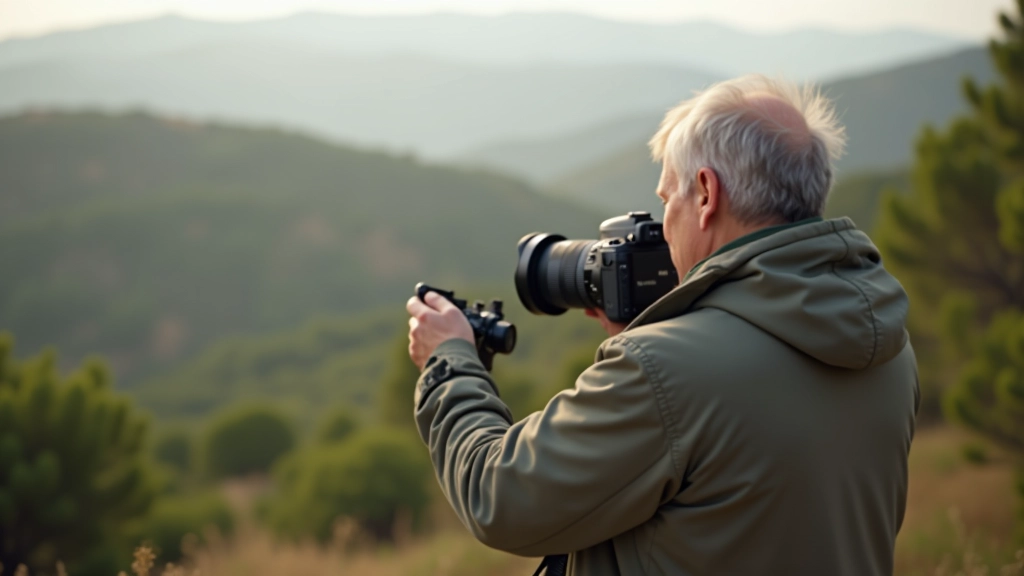
Photography isn’t about having the best camera. It’s about learning to see. It’s about patience, light, and composition. Portugal gives you everything you need — stunning landscapes, incredible light, and peaceful spaces to practice.
Join a guided nature excursion if you can. You’ll meet people with similar interests, learn from experienced guides, and discover locations you’d miss on your own. But most importantly, you’ll develop your eye and your confidence.
The shots you’re going to take? They’re already out there waiting. You just need to show up, pay attention, and press the button.
This article provides educational information about nature photography techniques and tips for excursions in Portugal. Information presented reflects common practices in landscape and nature photography. Photography results vary based on equipment, conditions, skill level, and individual circumstances. Always respect local regulations when photographing in protected areas, and prioritize safety during outdoor activities. Consider consulting with professional photographers or taking structured courses for personalized instruction.