
Portugal’s Best Botanical Gardens for Leisurely Afternoons
Discover peaceful green spaces perfect for weekend relaxation, gentle walks, and afternoon contemplation across Portugal’s finest botanical collections.
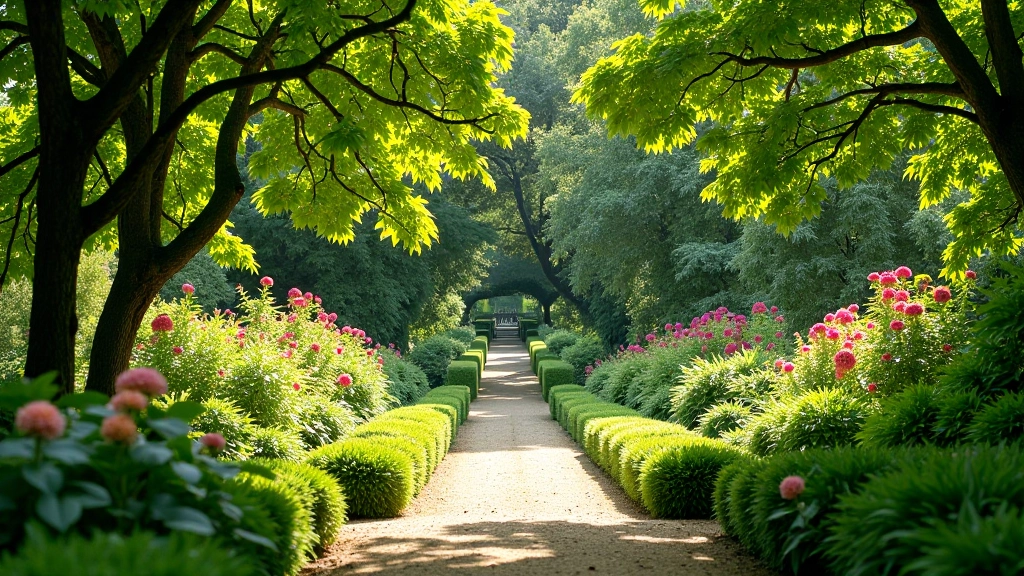
Why Botanical Gardens Are Perfect for Relaxation
There’s something special about wandering through a well-maintained garden on a Saturday afternoon. You’re not rushing anywhere. The pace is naturally slow, the air smells incredible, and you’ve got time to actually notice things — the shape of a leaf, how light filters through branches, the sound of water from a fountain.
Portugal’s botanical gardens aren’t crowded tourist traps. They’re peaceful spaces where locals come to spend quiet time. We’ve visited the best ones and can tell you exactly what makes each special — the facilities, the walking routes, and what you’ll actually experience on the ground.

Four Gardens Worth Your Afternoon
Each offers a different experience depending on what you’re looking for.
Jardim Botânico de Lisboa
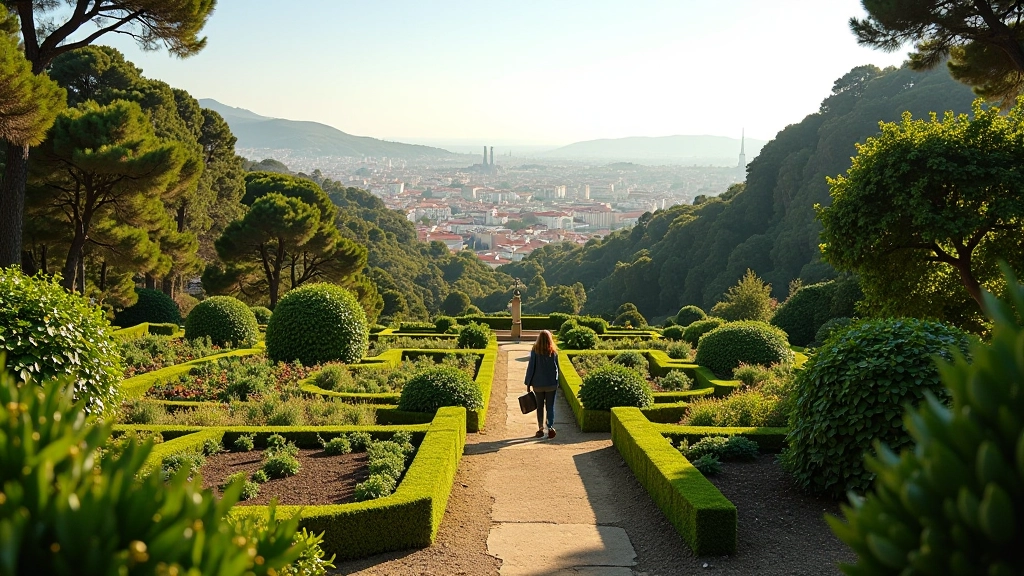
The main botanical garden in Lisbon sits on a hillside with excellent views over the city. You’ll find over 3,000 plant species organized by geography — Mediterranean section, subtropical zone, tropical greenhouses. Walking here takes genuine effort because of the slopes, but that’s actually good. You’re getting movement without feeling like you’re exercising. Most people spend 2-3 hours wandering around. The pathways are well-maintained, benches are scattered throughout, and there’s a café if you need a break.
Best for: Serious garden enthusiasts, afternoon walks, learning about different plant species. Time needed: 2.5 hours minimum. Parking: Available on-site, fills up weekends after 11am.
Estufa Fria (Cold Greenhouse), Lisbon
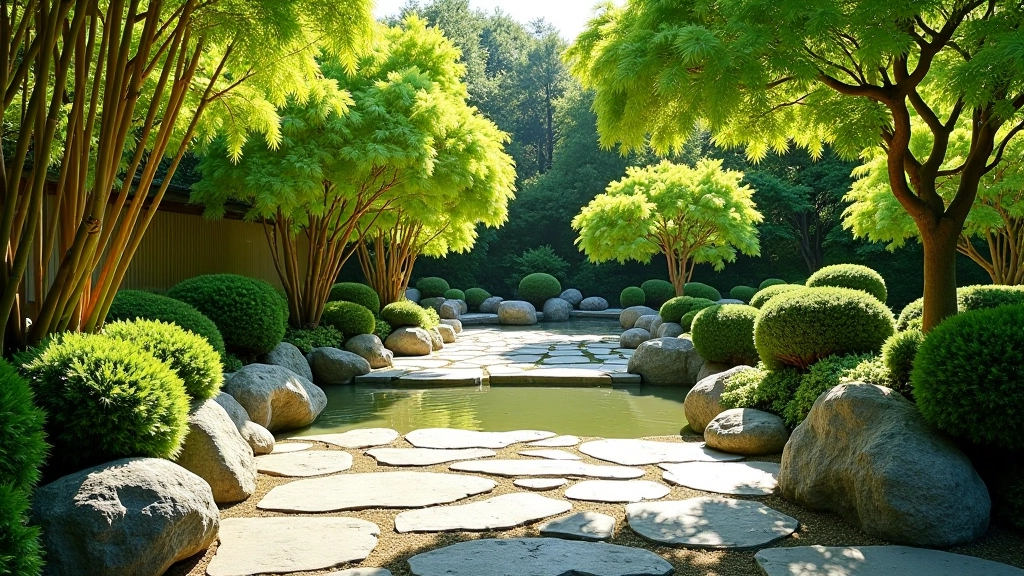
This is technically a greenhouse, but it’s absolutely worth mentioning. Built in 1930, it’s designed with a cooling system that keeps tropical plants comfortable in Portugal’s climate. Walking through here feels like stepping into another climate zone. It’s humid, green, and surprisingly cool even on hot days. The space is relatively compact — you can cover the whole thing in 45 minutes — but the density of plants makes it feel immersive. There’s a Japanese garden section attached that’s genuinely peaceful.
Best for: Tropical plant lovers, humid day escape, shorter visits. Time needed: 1 hour. Crowds: Steady but rarely overwhelming.
Jardim Botânico da Madeira
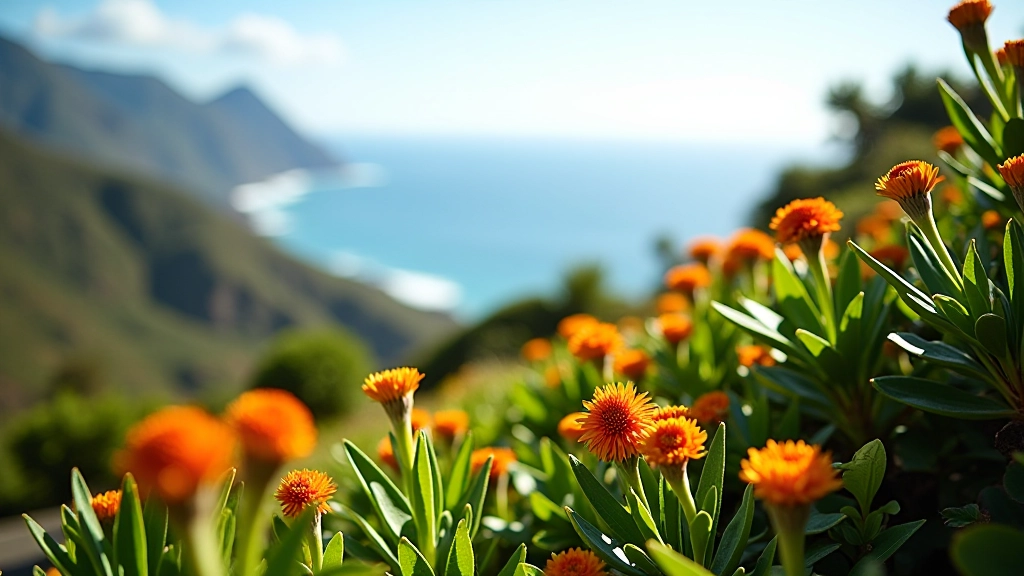
Located in Funchal on the island of Madeira, this garden takes advantage of the island’s tropical climate. You’ll see plants that wouldn’t survive on the mainland — birds of paradise, exotic orchids, tropical fruit trees. The setting is dramatic because the garden sits on a hillside overlooking the coast. Pathways wind through different climate zones. It’s more curated than the Lisbon garden, with clear visual design. A visit here is less about intensive plant education and more about enjoying beautiful landscapes. There’s a small but excellent restaurant where you can sit with a view.
Best for: Combining garden visit with coastal scenery, island getaway. Time needed: 2 hours. Access: Requires travel to Madeira.
Jardim Botânico do Porto
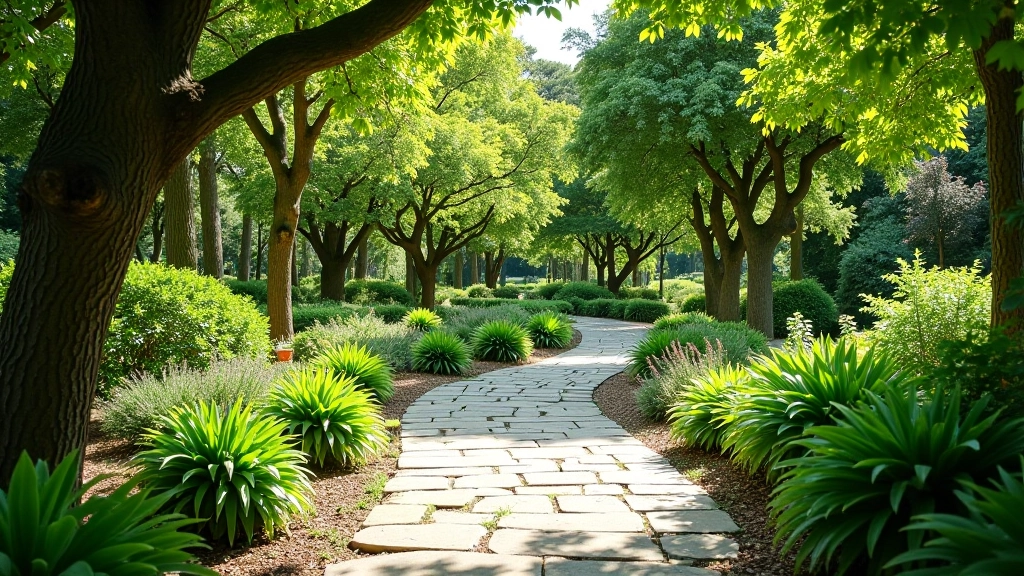
Less famous than Lisbon’s gardens but genuinely excellent. This one has a different character — it feels more like walking through woods than a traditional botanical garden. Plants are organized but not in obvious sections. You’ll stumble onto different areas — a fern collection, a medicinal plant section, bamboo groves. The shade is generous, which makes it ideal on hot days. There’s also a small museum with interesting historical botanical drawings. It’s quieter than the Lisbon gardens, which some people prefer. You can walk it in 1.5 hours or spend 3 hours if you’re really taking time.
Best for: Peaceful walks, avoiding crowds, natural woodland feel. Time needed: 1.5-3 hours flexible. Best season: Spring for flowering plants.
How to Actually Enjoy Your Garden Visit
These practical details make the difference between a rushed afternoon and a genuinely relaxing one.
Timing Matters
Visit between 2pm and 5pm if you can. Morning crowds are lighter but the sun’s harsher. Late afternoon gives you golden light and fewer people. Gardens close around sunset, which varies seasonally — check before you go.
Bring Water
Even in spring, you’ll be walking in sun and shade alternately. Bring more water than you think you’ll need. Most gardens have fountains but it’s not guaranteed. A small backpack is better than a bag you have to carry — your hands should be free for balance on uneven paths.
Wear Proper Shoes
Botanical gardens have slopes, uneven paths, and sometimes gravel. Casual walking shoes with good support are essential. Not sneakers necessarily, but something with ankle support and good traction. You’ll be walking 1-3 hours depending on the garden.
Bring a Camera
Your phone camera is fine. The light is usually excellent, especially in late afternoon. Take photos of plants you’re curious about — it’s a good way to identify them later or share with friends interested in gardening.
Get a Map Inside
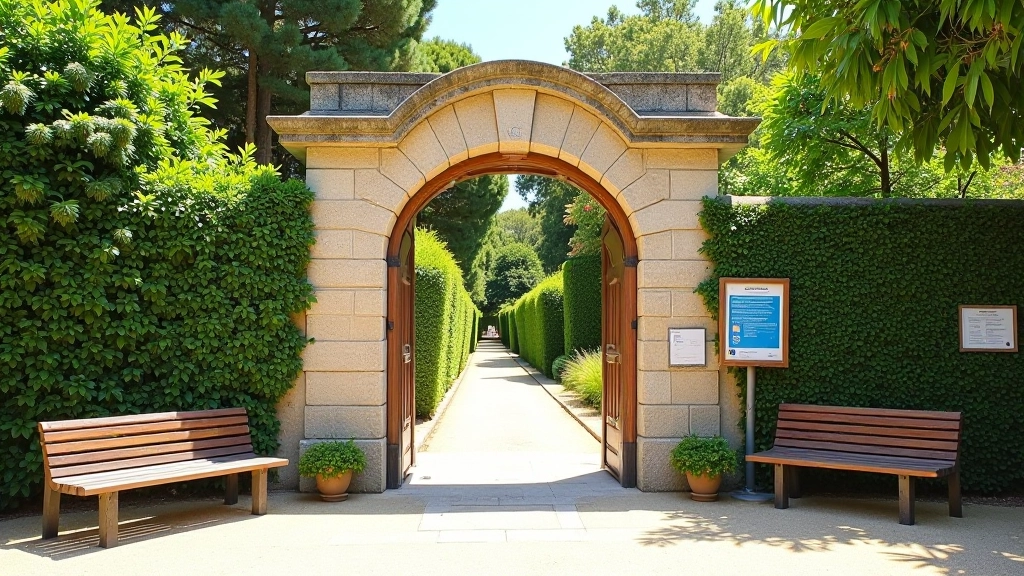
Most gardens have maps at the entrance. Take one. It helps you understand the layout and makes wandering feel intentional rather than aimless. You can plan which sections to see or just use it to figure out where you are.
Plan Sitting Time
The whole point is leisure. Pick a bench with a good view and sit for 10-15 minutes. Watch how light changes. Listen to birds. This isn’t time wasted — it’s the core experience. Don’t try to see everything. See something well.
Practical Information
Here’s what you need to know before visiting. Entry fees are reasonable — typically 5-8 for adults. Most gardens are open 9am-5pm or 9am-6pm depending on season. Parking exists at all four locations, though the Lisbon gardens can get crowded on weekends. None require advance booking. Facilities vary — Lisbon and Porto have cafés, Madeira has the restaurant, Estufa Fria is more basic but still has a small shop. Walking times range from 45 minutes to 3 hours depending on pace and the specific garden.
Weather affects the experience significantly. Spring (April-May) brings flowers but also occasional rain. Summer is hot but dry — go early or late afternoon. Autumn (September-October) is actually ideal: warm, less humid, fewer tourists. Winter is mild but some plants won’t be flowering. If you’re traveling from outside Portugal, all four gardens are accessible by public transport, though having a car makes it easier, especially for the more remote sections of the Porto garden.
Making It Part of Your Weekend Routine
The best part about botanical gardens is they’re simple. You show up, you walk around, you sit, you notice things. There’s no performance or pressure. Nobody’s timing you. You’re not trying to accomplish something — you’re just there, in a beautiful space, for a couple hours.
Portugal’s botanical gardens are genuinely excellent for this. They’re well-maintained, accessible, and peaceful. Whether you’re visiting Lisbon, Porto, or making a trip to Madeira, adding a garden afternoon to your itinerary is a decision you won’t regret. Start with whichever garden is closest to you. Then explore the others when you get the chance.
The whole point of leisure is slowing down enough to actually enjoy being alive. Botanical gardens are one of the best places to practice that.


Information Disclaimer
This article provides educational information about botanical gardens in Portugal based on general knowledge and common visitor experiences. Opening hours, entry fees, facilities, and accessibility features may change seasonally or due to maintenance. We recommend checking official garden websites or contacting them directly before your visit to confirm current hours, pricing, and any special conditions. Garden experiences vary based on weather, season, and personal preferences. This guide is intended to help you plan, but your actual experience will depend on when you visit and your individual circumstances.